

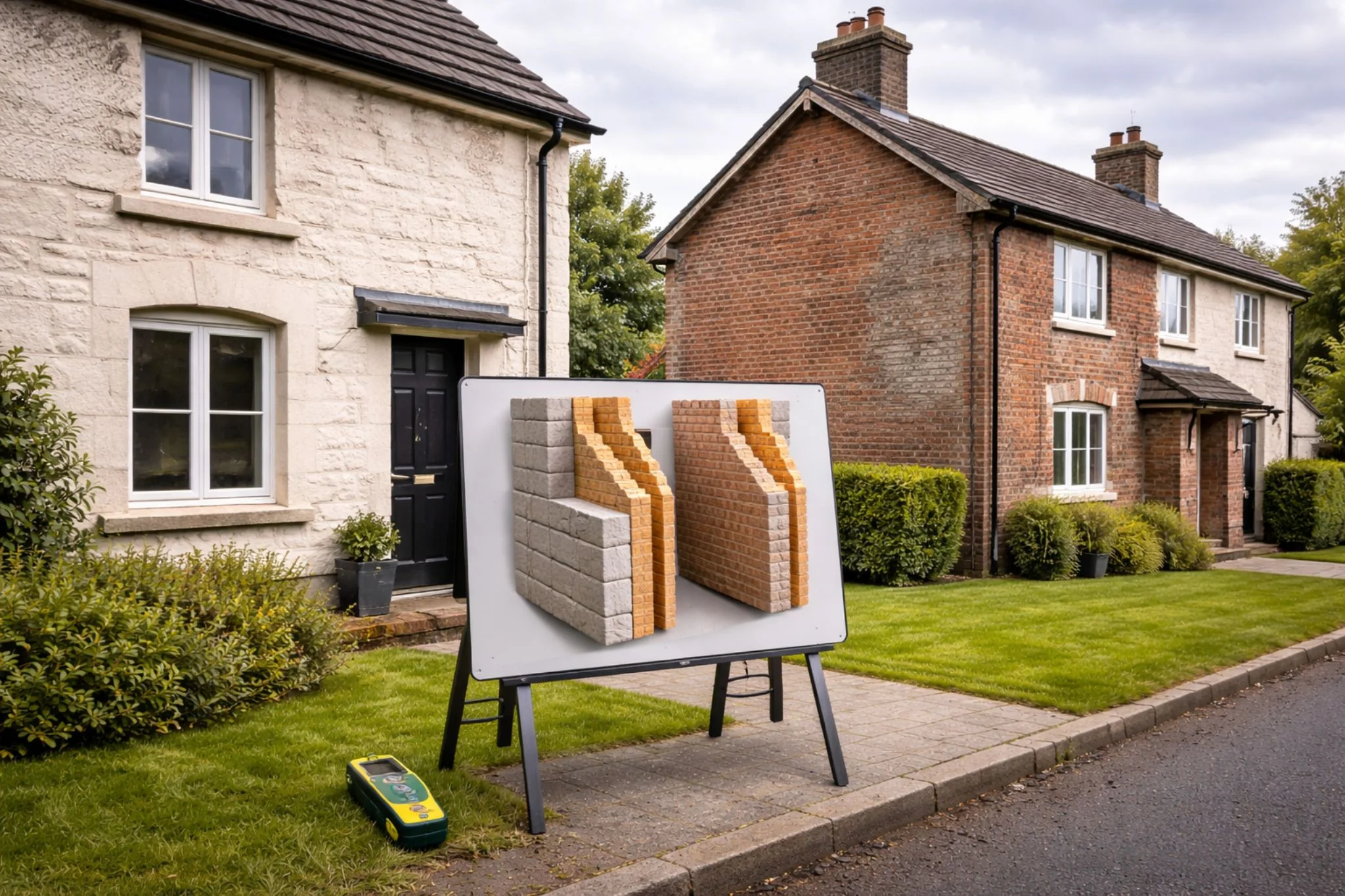
Cavity wall insulation is a popular solution for improving energy efficiency and reducing heating costs. However, not every home is suitable for this type of insulation.
Factors like your home’s location, construction, and existing ventilation can all play a role in whether cavity wall insulation is the right choice. Installing it in an unsuitable property could lead to problems such as dampness, structural damage, or poor insulation performance.
In this blog, we’ll explore which houses should not have cavity wall insulation, helping you understand the risks and key considerations. Before making any decisions, it’s essential to consult with a qualified surveyor to ensure your home is assessed properly and to avoid potential issues in the future.
Which Houses Should Not Have Cavity Wall Insulation?
Cavity wall insulation is an effective way to improve energy efficiency, but not all homes are suitable for it. Factors like moisture, structural condition, ventilation, and proper installation must be carefully considered.
Below, we explore the risks and situations where cavity wall insulation may not be the right choice.
.jpeg "Which Houses Should Not Have Cavity Wall Insulation? 1")
Homes at Risk of Damp Issues
Cavity walls are designed to allow water to drain away, protecting your home from moisture. Adding insulation can block this drainage, causing water to collect and seep into the interior walls.
In areas with heavy rain, insulation materials like mineral wool often absorb moisture, leading to damp patches and condensation. Brick walls, which are particularly vulnerable to moisture, can worsen the problem.
Even with materials like polystyrene beads, homes in rain-exposed locations may experience issues. That’s why it’s important to understand which houses should not have cavity wall insulation to avoid these problems.
Houses with Narrow or Uneven Cavity Spaces
The size and shape of a cavity space directly impact how well insulation works. Cavities must be at least 50mm wide for insulation to spread evenly. Narrow or uneven spaces can block materials, leaving gaps that reduce effectiveness.
Uneven cavities can also trap insulation materials, such as wool or beads, causing cold spots and reducing energy efficiency. Thermal bridges formed by incomplete coverage can also lead to dampness.
Homes with narrow or irregular cavities may require alternative insulation methods for better results.
Can You Install Cavity Wall Insulation in Buildings with Damaged Fabric or Structural Issues?
A building’s condition is crucial when considering cavity wall insulation. Damaged walls or weak structures can create significant risks if insulation is added.
Below, we discuss the impact of cracks, moisture penetration, and the dangers of improper installation in such buildings.
Impact of Cracks in Walls or Compromised Brickwork
Cracks in walls or damaged brickwork allow water to seep into the building’s fabric.
This moisture can damage the insulation over time, reducing its effectiveness and causing internal dampness. It is essential to address these issues before considering cavity wall insulation.

Risks of Moisture Penetration and Insulation Damage
When cracks are left unrepaired, rainwater can enter and damage both the wall and the insulation inside.
This makes insulation ineffective and increases the chance of mould growth and internal damage to your home. Moisture penetration can make cavity wall insulation unsuitable for such buildings.
Potential Structural Damage from Improperly Installed Insulation
If insulation like EPS beads or foam is installed in a building with structural weaknesses, it can put extra pressure on the walls.
This can widen existing cracks or create new ones, allowing more moisture in and reducing energy efficiency. This is why damaged buildings should not have cavity wall insulation.
Consequences of Poorly Installed Insulation
The success of cavity wall insulation depends on proper installation. Hiring unqualified contractors can lead to gaps or cold spots in the insulation. These issues make the insulation less effective and increase heating costs.

When insulation materials aren’t secured properly, they may sag over time, breaking the insulating layer. Pumped insulation, such as blown fibre or foam, requires careful planning to avoid leaving areas uninsulated or causing structural damage.
A professional installation ensures these problems are avoided.
Homes with Inadequate Ventilation
Ventilation is essential for maintaining a healthy indoor environment, especially when cavity wall insulation is installed. Blocking vents or failing to add additional ventilation can trap moisture, leading to condensation and damp problems.
Building regulations often require vents to remain unblocked or for additional ventilation to be installed. Without proper airflow, condensation can damage your home’s interior, reducing the insulation’s benefits. A professional installer can help ensure your home meets these requirements.
How to Ensure Safe Cavity Wall Insulation?
To avoid problems, start by hiring a trusted contractor with experience in cavity wall insulation. A thorough survey of your property will identify issues such as cracks, rubble in the cavity, or poor ventilation that must be resolved first.
A qualified surveyor plays a key role in determining whether insulation is suitable for your home. They can recommend solutions and help you understand which houses should not have cavity wall insulation.
Before installation, address any structural or ventilation issues. This ensures the insulation will work effectively and prevents costly problems in the future. Always rely on expert advice to protect your home.
In conclusion
Not all homes are suitable for cavity wall insulation due to factors like damp risks, narrow or uneven cavities, structural issues, or poor ventilation. Proper assessment and professional installation are crucial to avoid potential problems such as dampness, cold spots, and damage to your home.
If you’re unsure whether cavity wall insulation is the right choice for your property, seek expert advise to make an informed decision. Contact Build Pro today for a reliable assistance. Our experienced team help you connect with professionals to ensures the best solutions customised to your home’s needs.
Build your insulated home now!


